
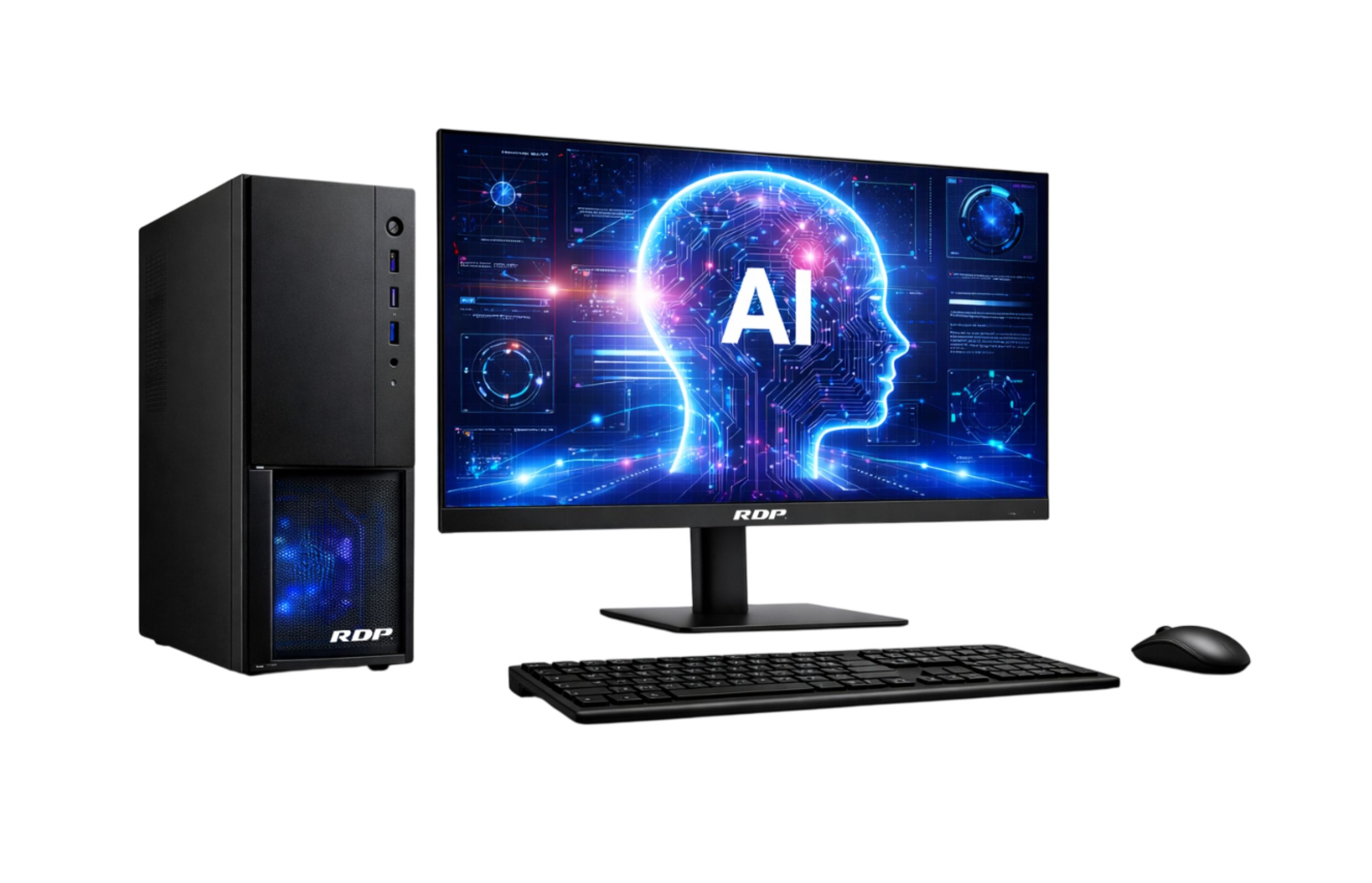



AI Infrastructure Solutions for Private AI Factory Deployments
22 fixed reference configurations across AI-GPU compute, NVMe storage, lossless fabric, and ops packs — quote-ready models that compose into complete AI-POD rack solutions. From inference to training, every component is pre-validated and price-locked.

Complete 1-Rack AI Factory Solutions with Fixed BOM Mapping
Pre-validated AI-POD configurations for GenAI inference, vision AI, and training — each POD is a complete rack solution with compute, storage, fabric, and ops bundled into a single quote-ready package.
Fixed Reference Configurations for AI-GPU Compute Nodes
Price-only decisions for CIOs — every configuration is pre-validated with specific CPU, GPU, memory, and networking components. Intel and AMD variants for every tier.
Hot NVMe HA Storage and Capacity Tiers for AI Workloads
Purpose-built storage blocks for AI: NVMe hot tier for vector DBs, checkpoints, and active datasets; capacity tier for dataset lakes, vision retention, and long-term replay.
Lossless Fabric Infrastructure for AI Workloads
Pod-scale and training-scale lossless Ethernet fabric with PFC/ECN tuning, QoS templates, and telemetry — purpose-built for GPU-to-storage east–west traffic.
Deployment Readiness & Lifecycle Management for AI Infrastructure
Factory acceptance testing, day-2 operations runbooks, managed monitoring, and annual health checks — operational confidence for every AI-POD and standalone GPU deployment.
For CIOs & AI Infrastructure Architects: Quote-Ready AI Factory Building Blocks
Fixed reference configurations eliminate custom engineering for every AI project. Select your AI-POD or individual components, request a BoQ, and deploy — no GPU sizing guesswork, no fabric design from scratch.
Complete AI-POD Solutions
Pre-validated 1-rack solutions with compute, storage, fabric, and ops bundled into a single BoQ. GenAI inference, vision AI, and training pods — each with fixed BOM mapping.
Price-Locked Configurations
Every AI-GPU, AI-STG, and AI-FAB model has fixed specs and locked pricing. CIOs make price-only decisions — no architecture debates, no scope creep, no surprise line items.
On-Premises Data Sovereignty
All AI compute, training data, and model weights stay on-premises. Critical for regulated industries, government AI initiatives, and IP-sensitive organizations deploying private AI.
Composable Architecture
Start with a single AI-POD, scale to multi-rack with the 400GbE spine option. Every component is designed to compose — AI-GPU nodes, storage blocks, and fabric integrate without redesign.
Private AI Factory vs Cloud GPU — Total Cost of Ownership
For organizations running sustained AI workloads, on-premises AI-POD infrastructure delivers predictable costs, zero per-hour GPU billing, and complete data sovereignty at a fraction of long-term cloud GPU spend.

Zero Per-Hour GPU Billing
Fixed CapEx replaces variable per-hour cloud GPU charges. 24/7 GPU availability without billing anxiety — cost doesn't scale with utilization.
Complete AI Data Control
Training data, model weights, inference logs, and RAG corpora never leave your premises. Eliminates DPDPA compliance risk and IP exposure for private AI deployments.
Guaranteed GPU Availability
No cloud GPU shortages, no spot instance interruptions, no region capacity constraints. Your AI-POD GPUs are dedicated and always available.
Predictable AI Infrastructure Budget
One-time CapEx + known support costs vs unpredictable cloud GPU bills. Finance teams can plan AI infrastructure spend accurately across fiscal years.
For SIs, VARs & AI Integrators: AI Infrastructure Channel Economics
AI-POD infrastructure represents the highest-value deals in enterprise IT. Fixed reference configurations simplify proposals while delivering premium margins across compute, storage, fabric, and ops.
Premium Deal Value
- Highest deal value: GPU + storage + fabric + ops stacks
- Multi-year services: deployment, managed monitoring, AMC
- Deal registration for AI-POD infrastructure opportunities
- Expansion revenue: single pod → multi-rack via AI-FAB-6403
AI Infrastructure Sales Enablement
- Cloud-to-on-premises ROI calculators and TCO battle cards
- AI-POD proposal templates (GenAI/Vision/Training)
- GPU and VRAM sizing guides for common AI workloads
- Partner portal with AI infrastructure marketing materials
Technical Support Infrastructure
- Pre-sales workload assessment and GPU sizing support
- PoC program with GPU benchmark suites for customer eval
- Factory acceptance testing (AI-OPS-6501) included
- Post-sales technical backup with AI-specific escalation paths
Win AI Infrastructure Deals with Make in India Credentials
Strengthen partner proposals with RDP's MeitY-recognized manufacturing and PLI 2.0 selection — critical differentiators for enterprise AI infrastructure procurement and government AI modernization projects.

Government AI Infrastructure
Make in India credentials are mandatory for government AI infrastructure projects. MeitY recognition and PLI 2.0 selection qualify for preferential procurement in AI modernization tenders.
Enterprise RFP Differentiation
PLI 2.0 selection provides objective validation for enterprise AI infrastructure proposals. Strengthens positioning against import-dependent GPU server alternatives.
Brand Trust & Track Record
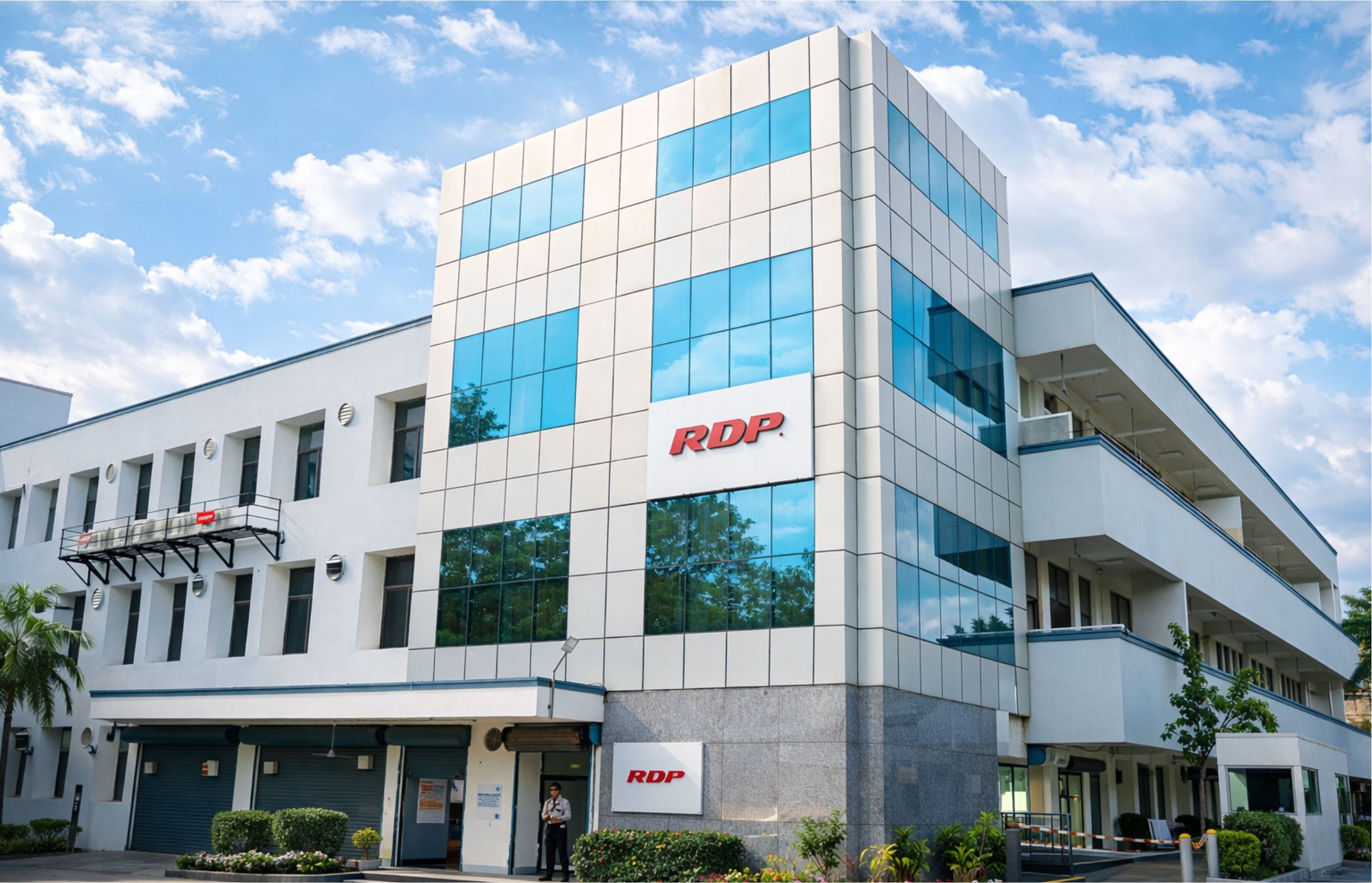
14 years of manufacturing track record with ISO 9001 quality systems. Reduces perceived risk for enterprise teams evaluating domestic OEM AI infrastructure platforms.
Supply Chain Reliability
28,000 sq.ft local manufacturing ensures predictable delivery for AI infrastructure deployments. Reduces geopolitical GPU supply chain risk with domestic integration capabilities.
Ready to Deploy Your Private AI Factory?
Request a complete AI-POD BoQ with GPU compute, storage, fabric, and ops — or join our channel partner program for premium AI infrastructure margins.